ROOTED IN PLACE:
Why a Home Must Listen to It’s Site
Before a single line is drawn, or a finish selected, there is a conversation that must take place, between the designer and the land a home is to be built on.
In traditional Portuguese architecture, homes were rarely built in defiance of the terrain. They were tucked into hillside slopes to shelter from prevailing coastal winds, oriented precisely to capture the arc of the winter sun, and built using the very granite or schist excavated directly from the earth beneath them. They were born of the place.
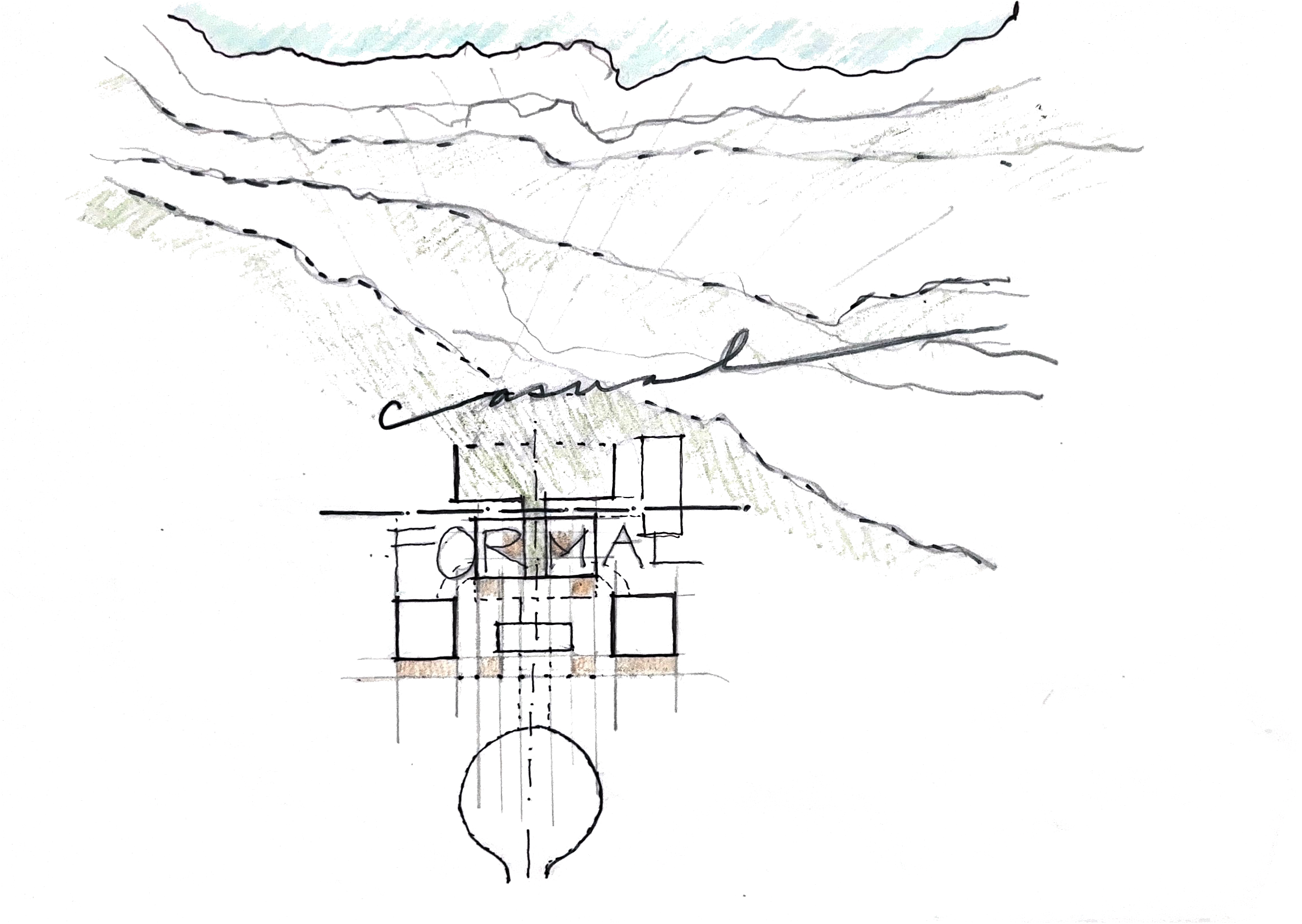
Too often in modern design, a home is conceived as a static box and dropped onto a plot of land, forcing the surrounding environment to adapt to the building. But the most soulful spaces are created in reverse: the home is shaped by listening to the site.
What Does It Mean to "Listen" to the Site?
Listening to the land isn't an abstract ideal; it is a sensory, practical dialogue with the natural features of a space.
Following the Arc of Light: Where does the morning sun break? Where does the golden, low light rest at the end of the day? Orienting living areas toward natural light shifts creates homes that feel alive without relying on artificial illumination.
Respecting the Topography: A gentle rise in the ground, an ancient tree, or a natural slope shouldn't automatically be leveled. Embracing steps, varied floor levels, or framed views works with the terrain's organic rhythm rather than fighting it.
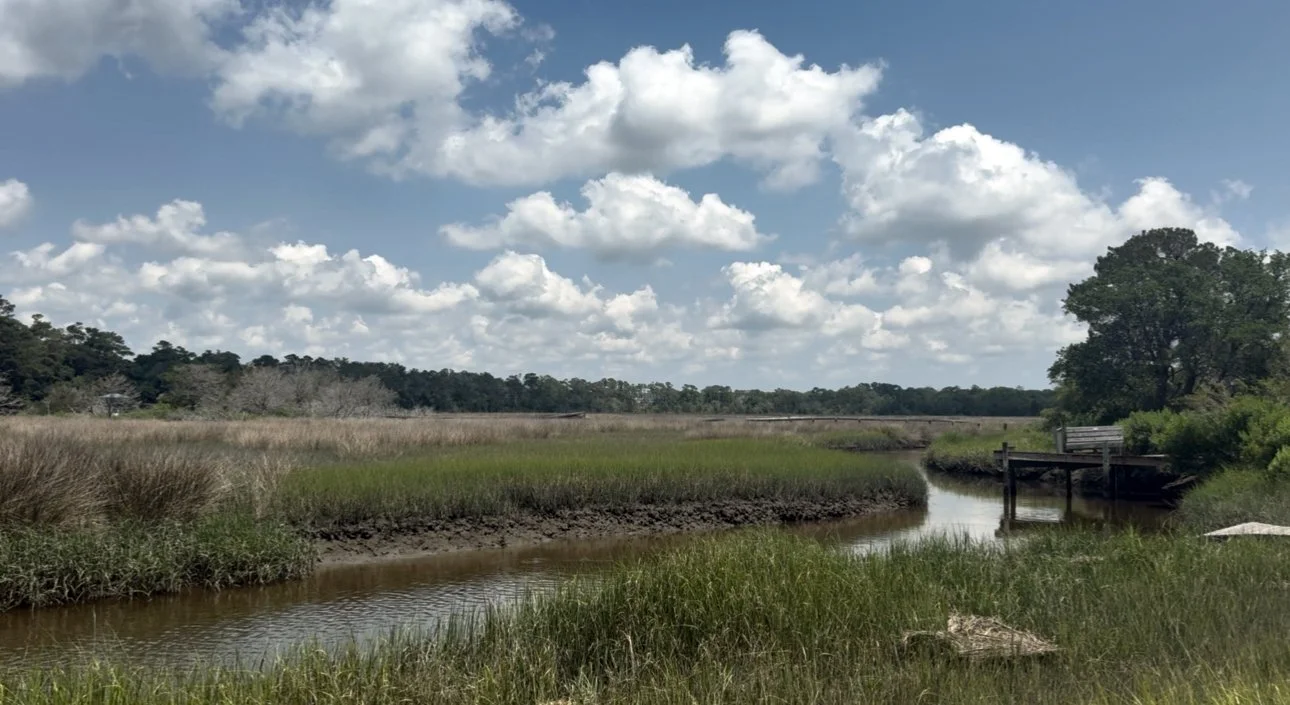
Harmonizing with Microclimates: Every site has its own personality, a cool breeze rolling down a hill, the sound of water nearby, or natural shade provided by mature foliage. Designing with these elements creates spaces that feel naturally temperate, calm, and grounded.
Even if you aren't building a home from the ground up, you can bring this philosophy into how you live within your current space:
Observe the Light Habits: Spend a day watching how sun moves through your rooms. Shift your reading chair or morning coffee spot to where the light naturally lingers at specific hours.
Frame the Outside: Treat windows not just as openings, but as picture frames. Arrange furniture to draw the eye toward outdoor greenery, sky, or natural textures outside.
Blur the Boundary: Use natural materials indoors, stone, raw wood, and linen, that reflect the palette of the surrounding landscape, creating a seamless transition between inside and out.
When a home honors the ground it stands on, it ceases to be just a structure. It becomes a sanctuary rooted in place, belonging entirely to where it rests.